Comprehending the Different Sorts Of Paint and Their Distinct Applications
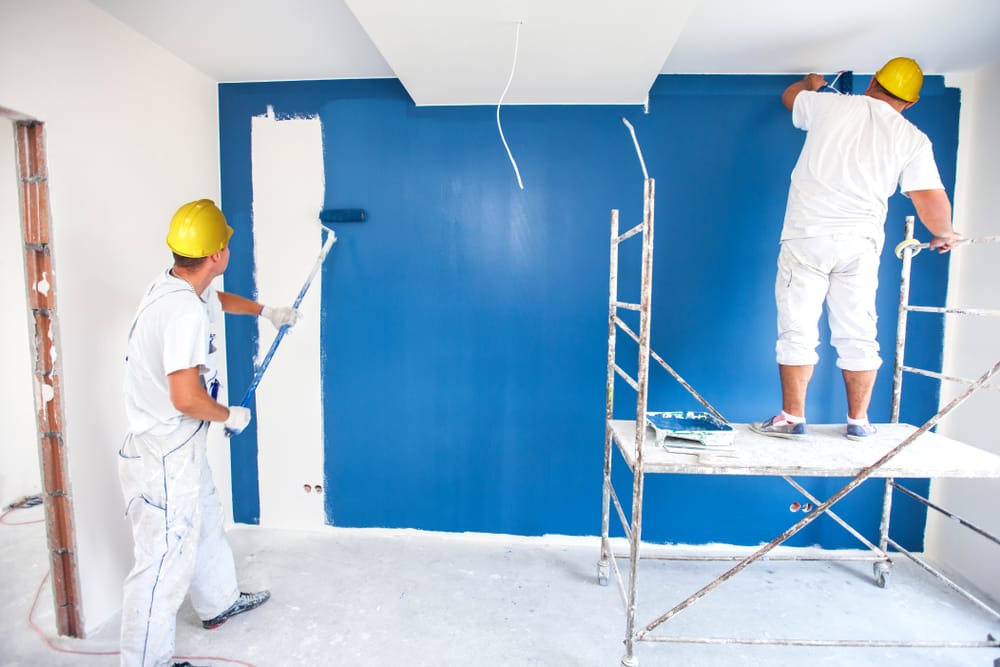
Water-Based Paints: Benefits and Finest Utilizes
Water-based paints are increasingly popular because of their various advantages and flexibility in various applications. These paints are primarily composed of water as a solvent, that makes them a more eco friendly choice compared to their oil-based counterparts. They discharge fewer unstable organic compounds (VOCs), minimizing damaging exhausts during application. Quick drying times permit faster task completion, making them excellent for both professional and DIY use.
Water-based paints supply exceptional bond and can be conveniently cleaned with soap and water, streamlining the cleaning process. They appropriate for a large range of surface areas, consisting of wall surfaces, ceilings, and furnishings. Additionally, these paints offer a smooth surface and are available in various surfaces, from matte to shiny. Their versatility makes them a preferred choice for interior applications, where low odor and quick drying out are vital. In general, water-based paints stand apart for their convenience, safety and security, and performance.
Oil-Based Paints: Applications and features
Oil-based paints are recognized for their resilience and rich surface, making them a popular choice for various applications, particularly in settings that demand durability. These paints usually consist of a binding representative originated from oil, which permits for a smooth application and an eye-catching gloss. Their remarkable attachment properties make them ideal for surface areas such as wood, masonry, and metal, ensuring durable results.
On top of that, oil-based paints supply outstanding coverage, commonly needing less layers than their water-based equivalents. They are particularly fit for high-traffic locations and surface areas exposed to moisture, such as bathroom and kitchens. Nevertheless, they do have longer drying out times and send out stronger smells throughout application, needing correct air flow. Maintenance of oil-based finishes can be challenging, as they might yellow gradually. Nevertheless, their resilience and aesthetic allure make them a preferred selection among professionals and do it yourself fanatics alike.
Specialty Paints: Discovering Special Alternatives
Specialized paints provide unique solutions that accommodate specific requirements and applications beyond conventional choices. These paints include textured, metal, and chalkboard selections, each designed for certain functions. Textured paints can create a three-dimensional look, perfect for concealing imperfections on wall surfaces. Metallic paints give a sparkling finish, frequently used for attractive accents or furnishings, including a touch of style to any type of room. Chalkboard paint changes surface areas right into writable areas, making it prominent for kitchens, classrooms, and workplaces, where creative thinking and functionality intersect.
Furthermore, magnetic paints enable the add-on of magnets, transforming wall surfaces right into interactive spaces. Anti-fungal and anti-graffiti paints serve safety functions, preserving surfaces versus criminal damage and mold, respectively. These specialty paints increase the possibilities for specialists and house owners alike, providing customized options that enhance both aesthetics and utility in varied environments.
Eco-Friendly Paints: Sustainable Selections for Your Projects
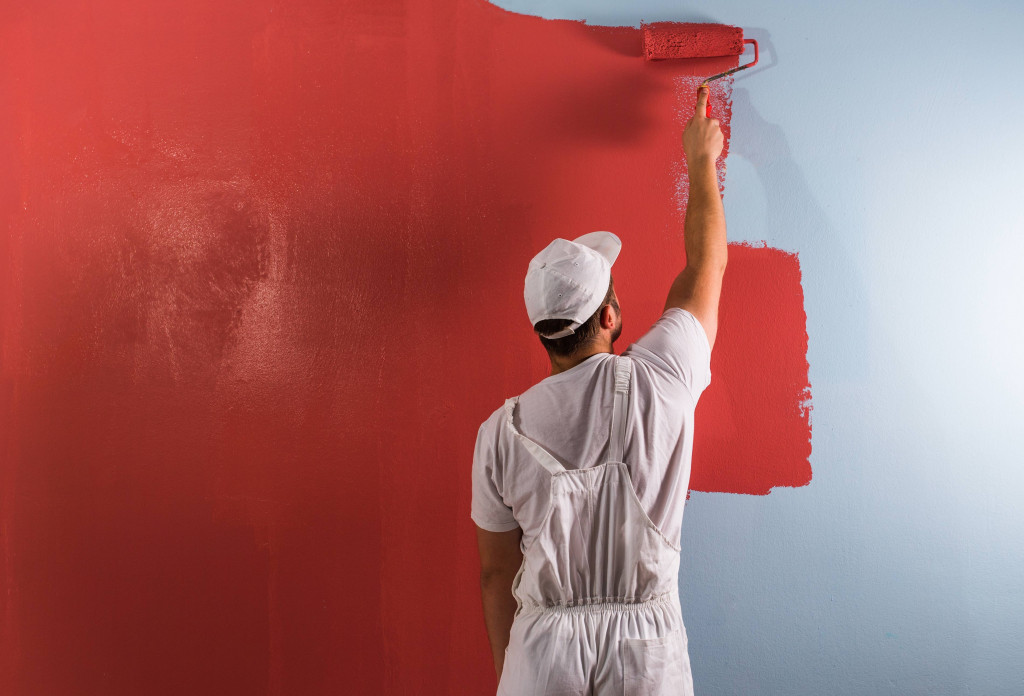
Notably, many environment-friendly paints are eco-friendly and packaged in recyclable products, further improving their sustainability. Makers typically highlight accountable sourcing and production methods, making certain that their items line up with ecological conservation initiatives.
The durability of green paints has actually enhanced substantially, making them appropriate for various applications, from indoor walls to exterior surfaces. By picking environmentally friendly paints, customers add to a much healthier living setting while supporting a much more lasting future.
Tips for Choosing the Right Paint for Your Task
When picking the best paint for a project, what elements should one think about to ensure the finest results? The surface kind is necessary; different products such as drywall, wood, or metal need specific paint solutions. Next off, the atmosphere plays a significant role; for circumstances, exterior projects require weather-resistant paints, while interior spaces may gain from low-VOC options for healthier air quality
In addition, the preferred home coating affects the option; options range from matte to shiny, each offering distinct aesthetics and durability. Color option should also line up with the designated state of mind or functionality of the area.
Lastly, spending plan considerations will certainly direct the option process, as higher-quality paints may feature a higher price tag however commonly generate better coverage and longevity. By reviewing these factors, one can make informed decisions that cause effective and satisfying paint end results.
Often Asked Inquiries
Just How Do Paint Ends Up Impact the Final Look?
Paint surfaces substantially influence the last look, with shiny finishes reflecting light and enhancing colors, while matte coatings give a softer, much more soft result. Each finish develops unique visual structures and influences overall aesthetic appeals.
Can I Mix Different Kind of Paint?
Blending various kinds of paint is usually not a good idea, as it can lead to problems with texture, adhesion, and surface. Compatibility between paint kinds is essential; otherwise, the results may be problematic and disappointing.
What Is the Life Span of Unopened Paint?
Unopened paint generally has a rack life of 2 to ten years, depending upon the type. Proper storage space in a cool, completely dry location can help keep its top quality and functionality for a longer period.
How Can I Appropriately Get Rid Of Extra Paint?
To effectively dispose of leftover paint, one must examine neighborhood regulations, think about contributing usable paint, or take it to a contaminated materials center. Appropriate disposal assurances ecological safety and compliance with local waste administration guidelines.
Are There Paint Options for Specific Weather Issues?
Yes, details paint options exist for different climate condition, consisting of moisture-resistant paints for damp atmospheres and heat-reflective paints for warm climates. Each type is created to hold up against temperature fluctuations and ecological difficulties efficiently.
Additionally, these paints provide a smooth surface and are available in different surfaces, from matte to glossy. Oil-based paints are understood for their toughness and abundant finish, you could look here making them a preferred choice for different applications, especially in atmospheres that require resilience. benjamin moore paint store corpus christi. Repaint finishes substantially affect the last look, with shiny finishes reflecting light and boosting shades, while matte surfaces provide a softer, extra soft result. To appropriately dispose of leftover paint, one need to check regional guidelines, take into consideration donating functional paint, or take it to a hazardous waste center. Yes, certain paint alternatives exist for numerous weather condition problems, consisting of moisture-resistant paints for damp environments and heat-reflective paints for warm climates